A trip to Moganshan prompts the author to imagine life as an investor with homes in several cities. Money can give him the freedom to travel, but cannot make friends and family available at the same time. He looks forward to an uncertain future while reminding himself not to sacrifice present relationships in pursuit of it.
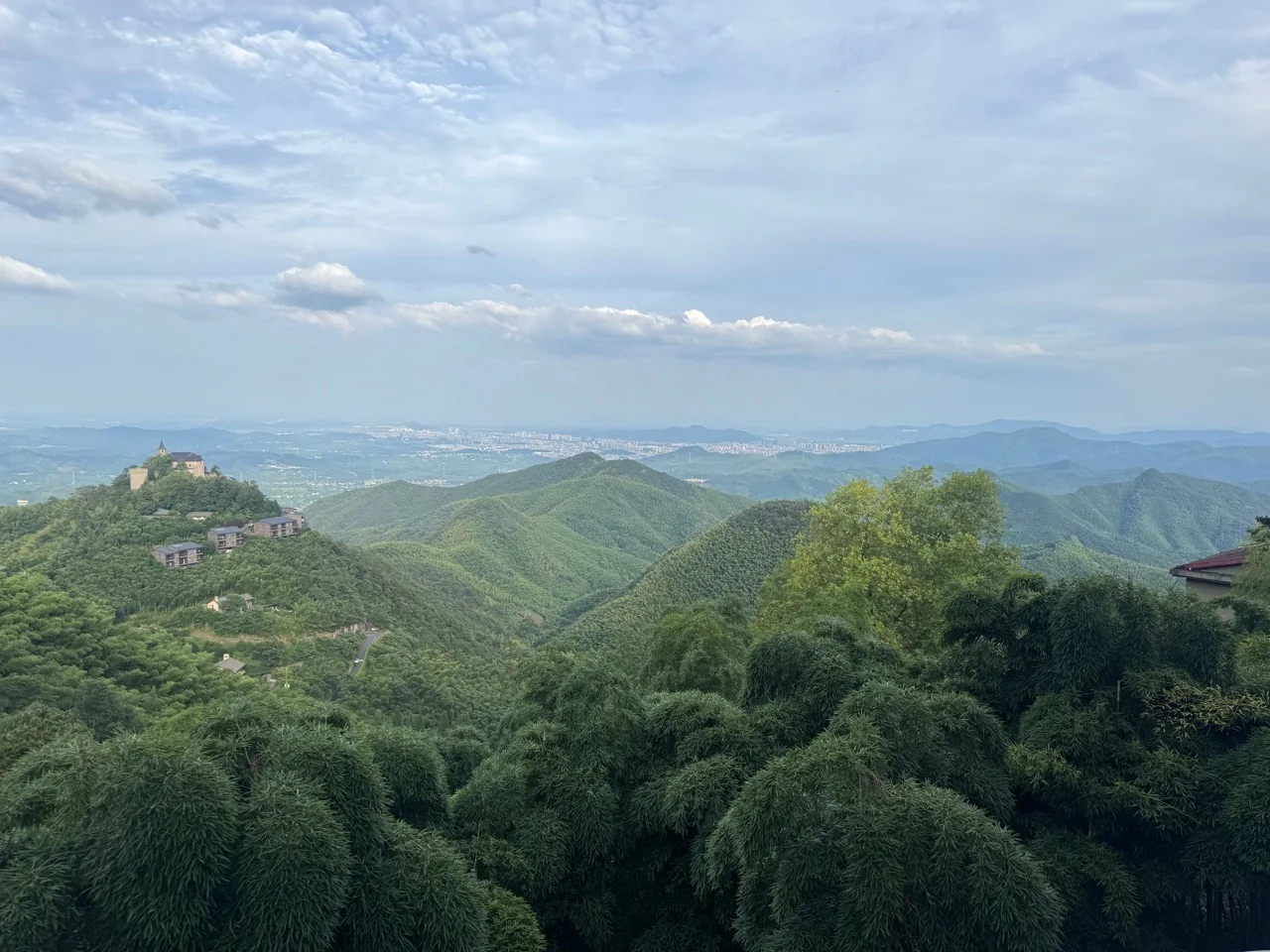
A few days ago, I went to Moganshan with Cassidy, Laoda, and his two younger brothers.
There was no carefully drawn itinerary, and nowhere we absolutely had to see. A few of us simply found ourselves together, moved somewhere else for a few days, and ate, drank, talked, and went wherever the mood took us. Looking back, I do not think it was only Moganshan itself that made me happy. It was the fact that we all happened to have the time—and that we all wanted to leave together.
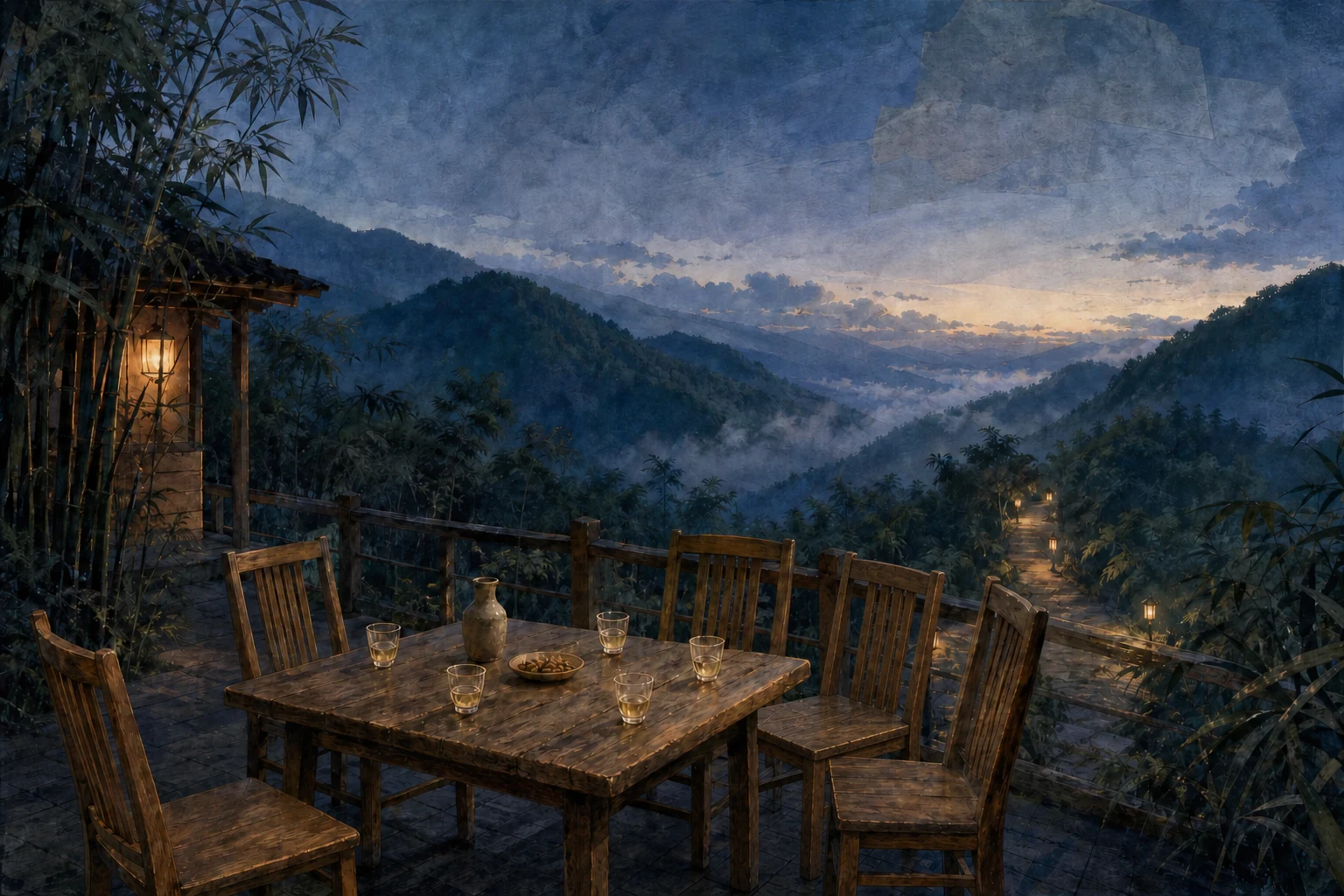
One evening, Lanke and I sat together, drinking a little sweet wine and talking without any particular destination.
At some point, I found myself asking him:
A few years from now, will we all be consumed by our own careers? And when that happens, will we still have chances like this—to get together without too much to worry about and leave on a trip almost on a whim?
Lanke said he thought it would probably be fine before any of us married and started families. After that, he could not say.
It was a realistic answer.
For now, we are still relatively free. Everyone has their own commitments, of course, but there is usually some room to rearrange them. Later, there may be more commitments to consider: work, ambition, family, partners, children, even different cities and countries. Today, all it takes is a message in the group chat—“Who’s in?” One day, it may take months to find a date that works for everyone.
And yet, strangely, the thought did not make me especially sad.
There are times when the future’s uncertainty is precisely what makes it so beautiful.
We do not know where we will be living in a few years, what we will be doing, or whom we will meet. Nor do we know what form the relationships around us today will take as they continue into the future.
Will we really become the people we once imagined?
Will we have the work, the love, and the life we hoped for?
Who knows?
And it is precisely because we do not know that the future is worth looking forward to.
The life I imagine for my future is not the conventional one: anchored to a single city and running on the same timetable every day.
If everything unfolds as I hope, I want to become a genuinely free investor.
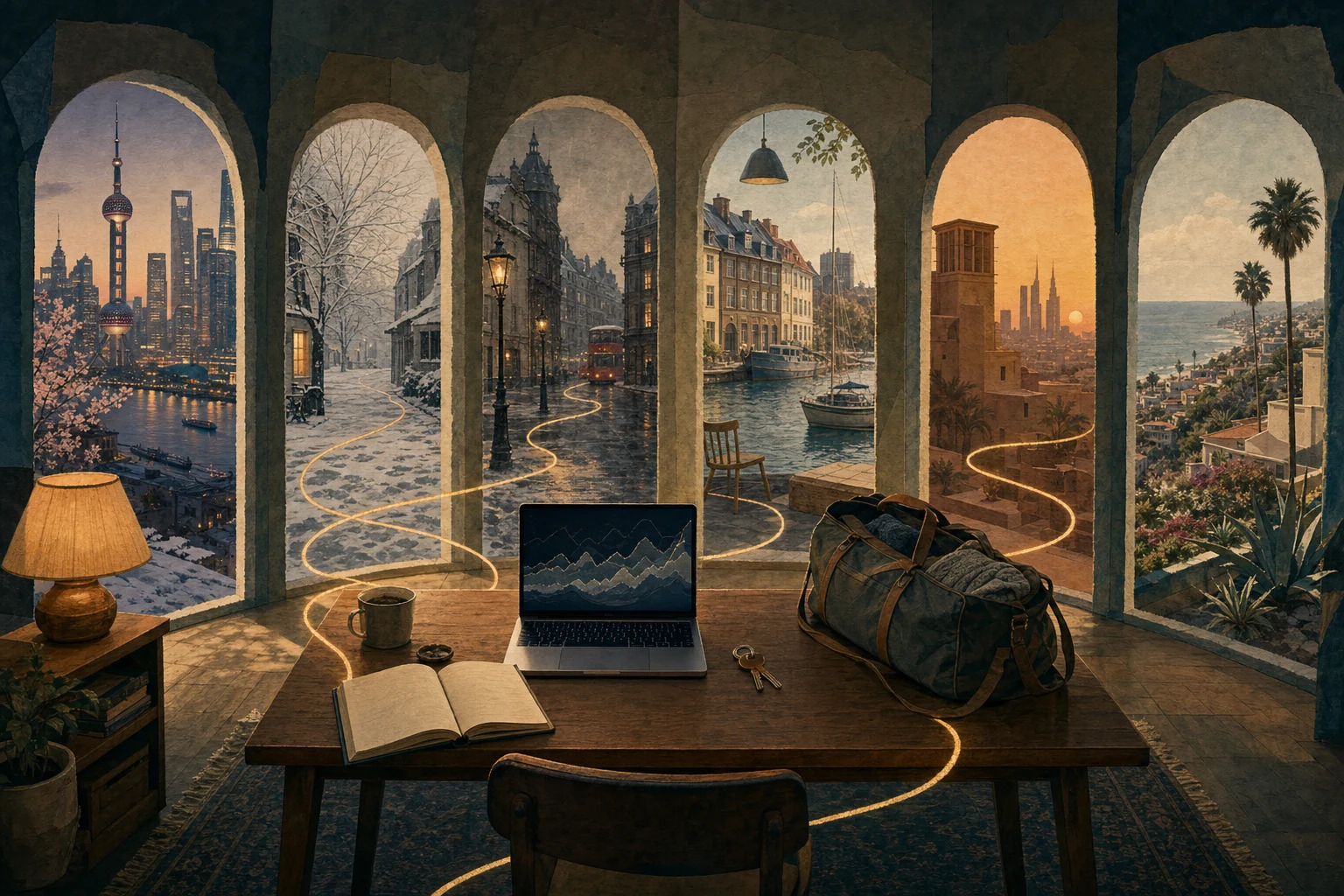
Investing and trading are not tethered to a particular office, nor do they necessarily require me to appear in the same place each day. I could establish bases in several cities I love, staying in each for a while according to the season, the demands of work, and my state of mind.
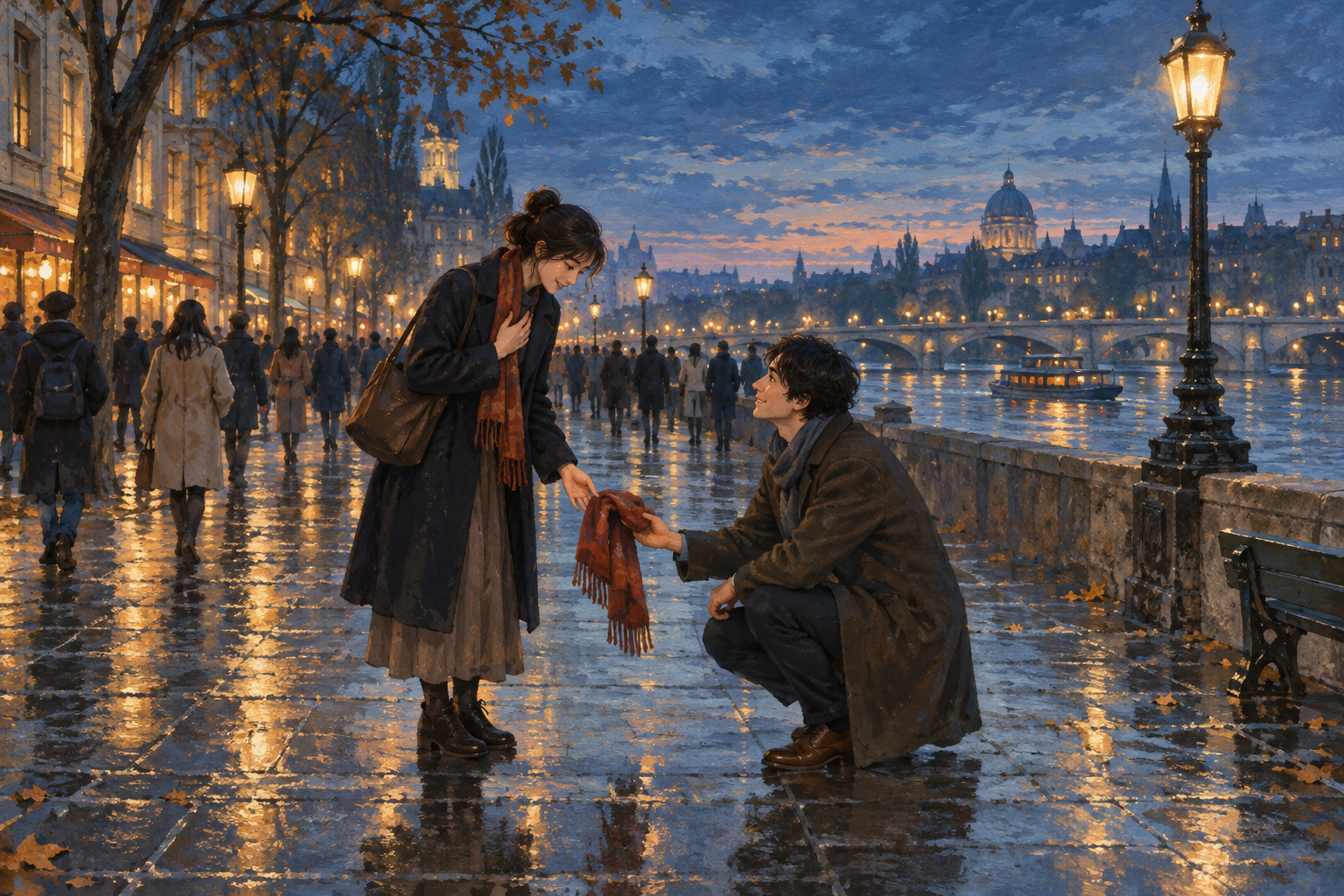
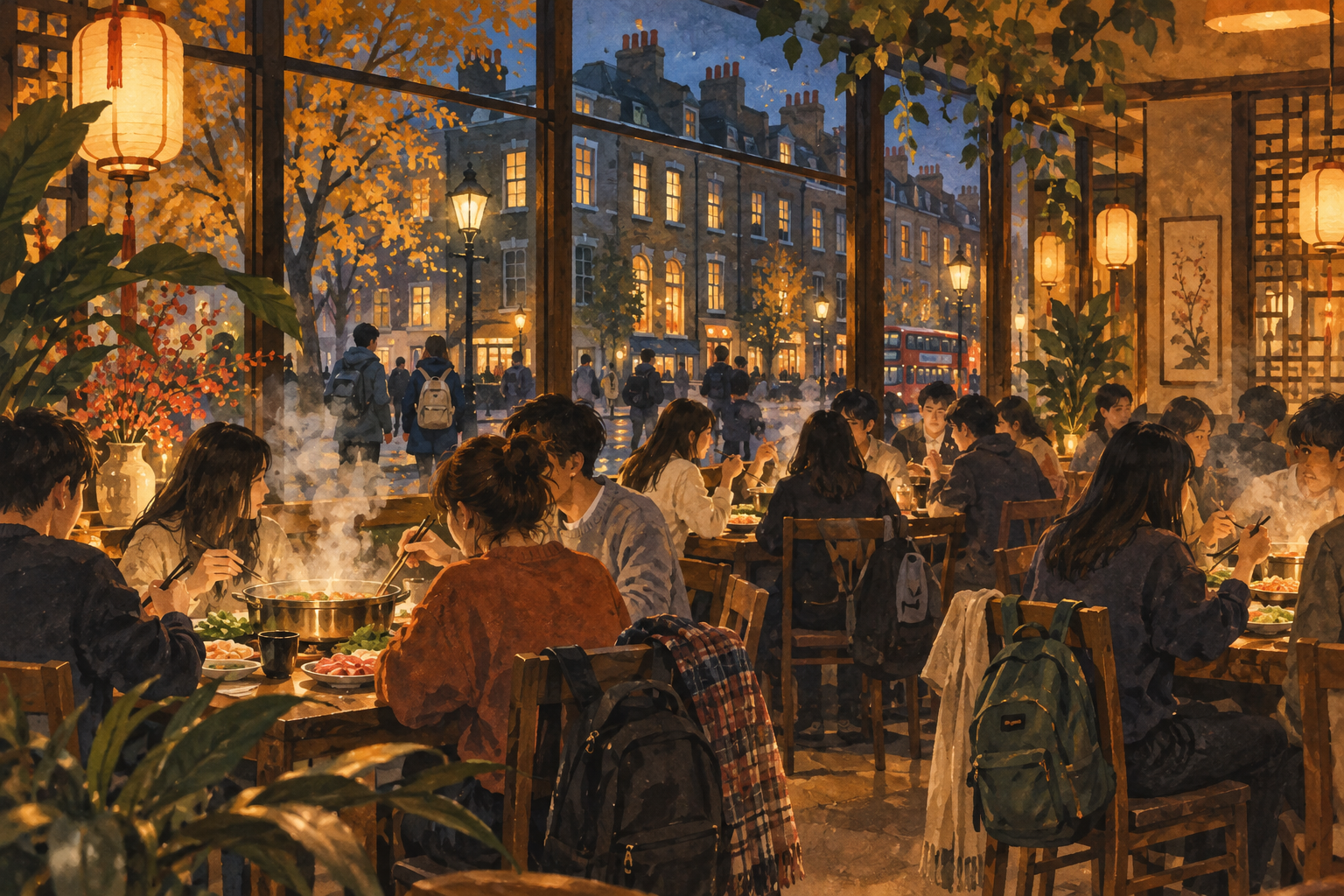
I might spend one stretch in Shanghai, immersed in its energy and efficiency; another back in Changchun, close to my family; and perhaps a few months at a time in London, Copenhagen, Dubai, or Los Angeles. Not passing through as a tourist, and not drifting forever, but building a life that truly belongs to me in more than one place.
Each place could have its familiar room, familiar routes, familiar friends, and its own rhythm of life.
I could look at the markets in the morning, finish whatever needed to be done, then spend the afternoon training, walking, or reading. And on some other day, I could decide to live in a different city—or buy a ticket to see someone I miss.
Of course, being a free investor would not mean having nothing to do all day.
The market will not stop moving because I happen to be travelling. As the business grows, there will be a team, systems, responsibilities, and pressure. Investing itself demands intense focus, discipline, and years of accumulation.
But freedom, as I understand it, has never meant having no obligations. It means being able to decide why I am busy, where I am busy, and for whom I am willing to reserve my time.
That is one reason I work so hard to earn money.
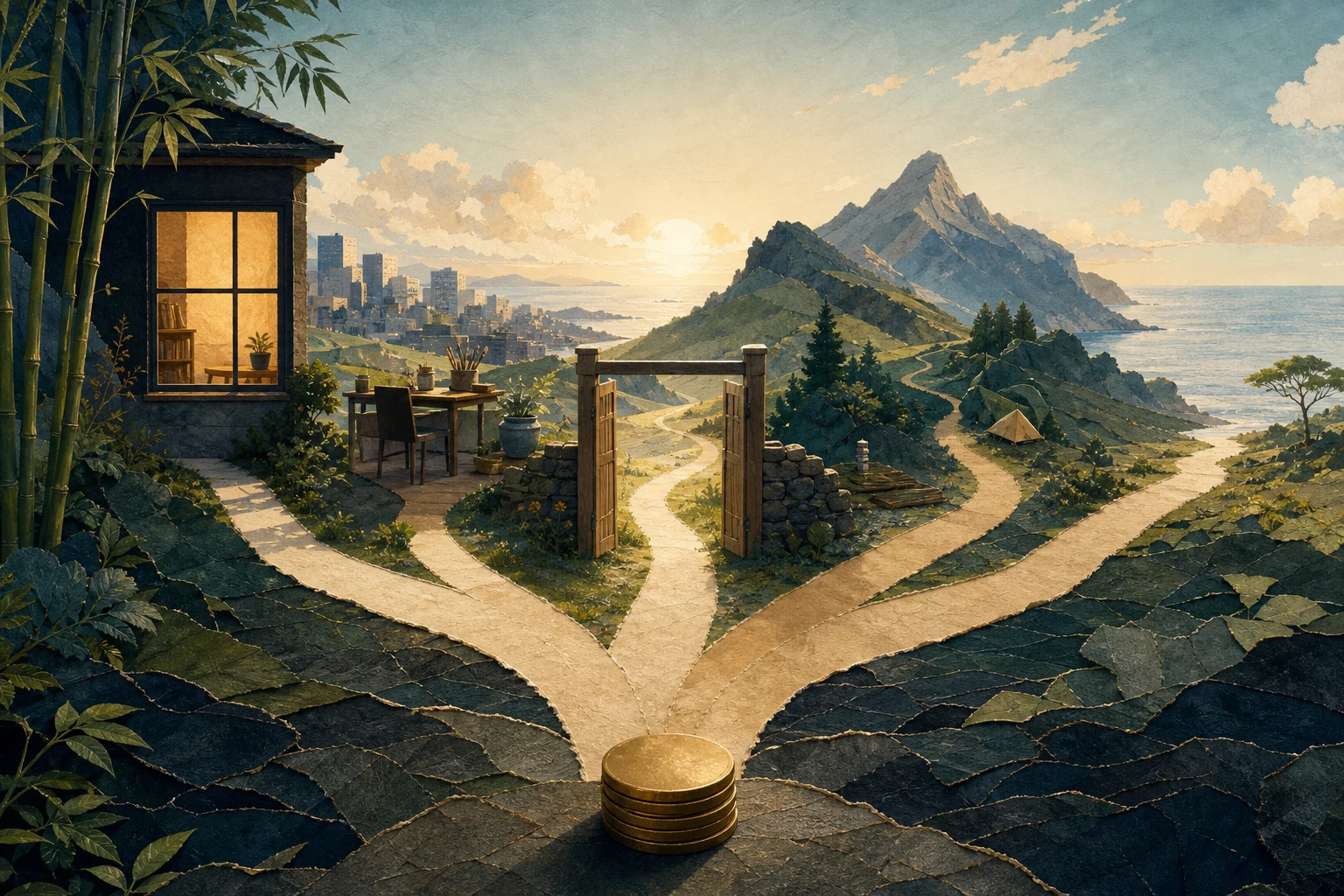
I have always believed that what money can truly give a person is not merely a better car, a larger house, or more expensive things.
Money’s deepest value is choice.
It gives us the ability to say no to what we do not want. It lets us choose where to live, whom to work with, and how to arrange our time. It also means that when we want to see someone, the price of a plane ticket does not have to keep us hesitating for long.
Money cannot guarantee happiness, but it can reduce the number of times life forces our hand.
At its best, wealth should make us freer—and make it more possible to live on our own terms.
So, given the future I am planning, perhaps what worries me is not whether I will have time for a spontaneous trip.
If I really do build the multi-base life I imagine, I may have more freedom over my time and location than most people.
I could fly from one city to another and adjust my life around where my friends and family happen to be. As long as my computer, systems, and connection are running, there is little fundamental difference between doing much of the work here or somewhere else.
What I truly do not know is whether, when I can still leave at a moment’s notice, the people around me will happen to be free as well.
One person’s freedom does not mean that everyone else’s time will continue to overlap as easily as it does today.
In the future, one friend may join a demanding company, another may start a business, someone may marry and begin a family, someone may have children, and someone else may move to a country far away. By then, I might be able to buy a ticket whenever I wish, yet still be unable to find someone else who can leave with me.
Money can shorten the distance between cities, but it cannot keep the rhythms of our lives in step forever.
Money can buy the most convenient flight, but it cannot recover the moments we missed because we were too busy.
Perhaps that, too, is part of growing up.
The farther we go, the more we may have—and the more there is to consider. Meetings that once happened naturally become dates arranged well in advance. People we once spoke to every day may eventually exchange only the occasional message.
The relationship need not disappear. It simply learns to exist in another form.
But this is also a reminder that however important money and ambition may be, they cannot be allowed to eclipse what I truly value.
We keep telling ourselves that once we have earned enough, we can finally begin living the life we actually want.
Once the business is stable, we will travel. Once everything is arranged, we will spend time with family. Once we are free in the future, we will go and see the people we miss.
The trouble is that in pursuing freedom tomorrow, we may slowly sacrifice the freedom we have today.
So that we can be there for the people who matter later, we keep neglecting them now. So that we can one day live our ideal life, we treat the life in front of us as nothing more than a passage to the future.
To end up with more money but lose the people with whom we once wanted to share our lives—that does not sound like the kind of success I want.
So balance truly matters.
Of course, balance does not mean dividing every day equally among work, friendship, love, and life.
Different seasons naturally have different centres of gravity. There are times when we should move forward with everything we have. There are also times when we need to pause, look around to see whether the people beside us are still there, and ask whether we still like the road we are on.
In the life I truly want, work and life are not opposing forces. Work ultimately exists to serve life.
I am not trying to earn money so that earning it can consume every hour I have. I am doing it so that one day I can exercise greater freedom over my time. Nor do I want a multi-base life merely to collect more points on a map. Wherever I am, I want to retain the right to choose what comes next.
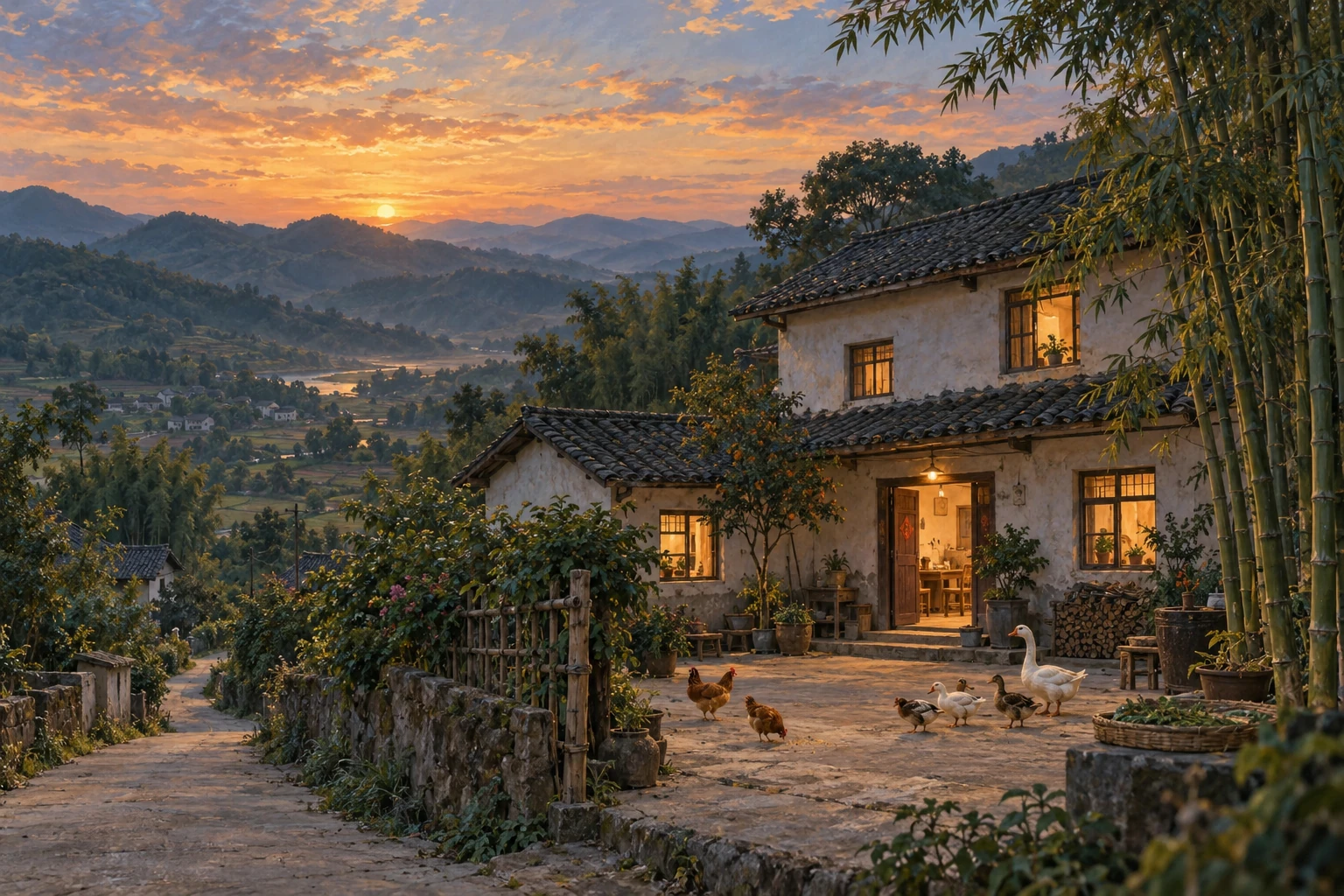
When I want to be with my family, I hope I can return to them. When I want to see a friend, I hope I can buy a ticket and go. When I love a city, I hope I can live there properly for a few months. And when I realise that a certain kind of life does not suit me, I want the confidence to choose again.
Freedom is not about leaving forever. It is about being able to arrive whenever it matters.
Those days in Moganshan will pass. We will never drink that particular bottle of sweet wine again, and the conversation we had that night may slowly blur with time.
But years from now, when we look back at today, I hope we will not regret being so intent on getting somewhere that we missed the people and moments that were truly worth cherishing.
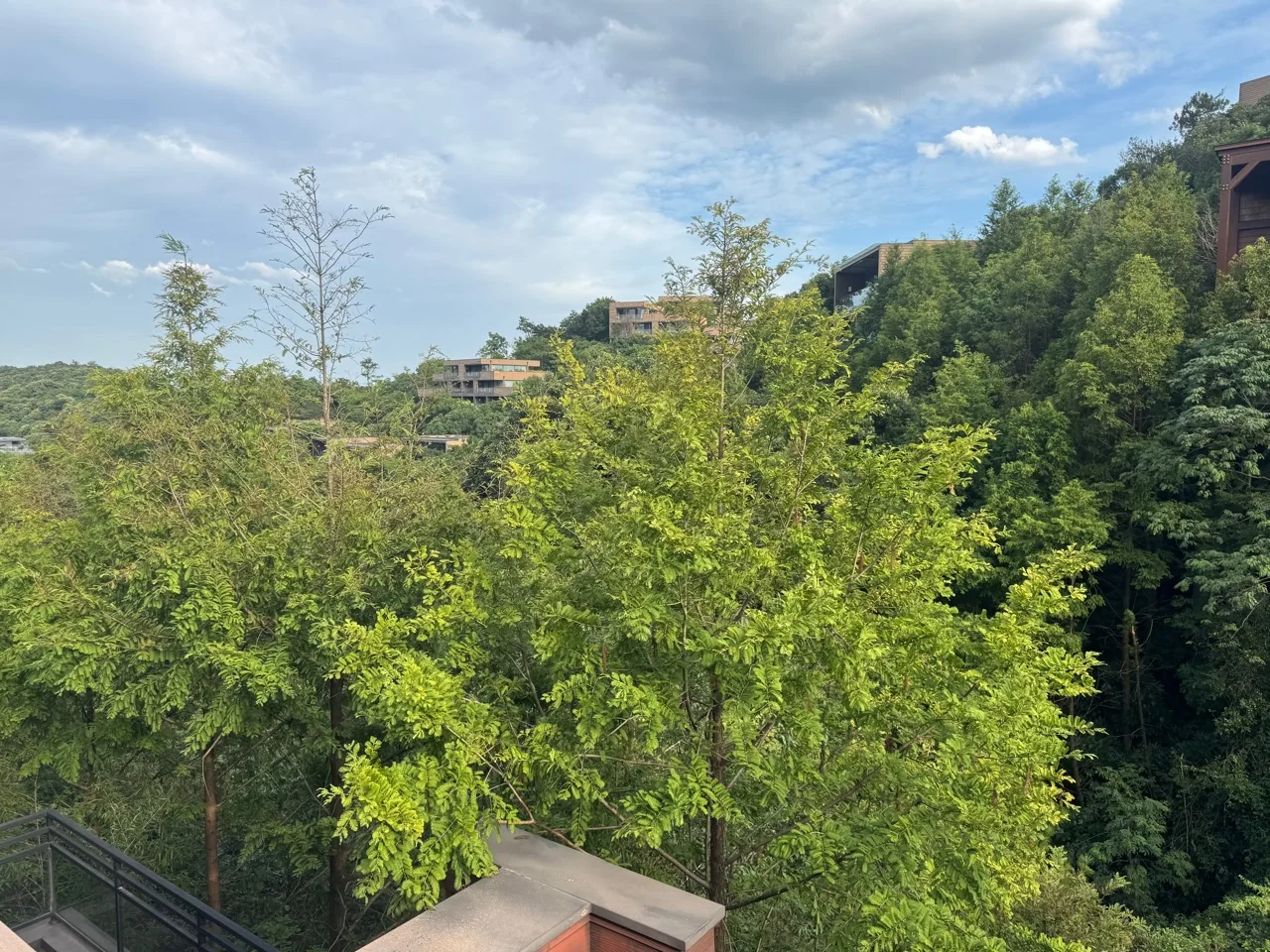
Perhaps my future will be divided among several cities.
One day I may be watching the markets in Shanghai, another spending time with family in Changchun, and another leaving from London, Dubai, or Los Angeles. The place may keep changing, but I hope some relationships never become unfamiliar simply because of distance.
Spontaneous trips may grow harder and harder to arrange. But as long as we still want to see one another, and are still willing to make time for each other, many relationships will not disappear under the pressure of growing up. They will simply take on a different, more mature form.
No one knows what the future will bring.
No one can tell us in advance whether we will become the people we hope to be.
But it is precisely this uncertainty that makes life so beautiful.
I hope that years from now, we will all have enough choice to live lives we genuinely love.
I hope we will not lose the people who walked with us simply because we were chasing the future.
And I hope the friendships, love, and ambitions my friends and I hold dear will all continue to flourish.
No matter which cities we one day call home, and no matter how far apart we may be, I hope we can still sit down on some ordinary evening, share a drink, and talk about the past—and about the future that remains unknown, yet full of promise.
ABOUT THIS ESSAY
Leave a thought. 00
Discussing: There Is Something Beautiful About an Uncertain Future
Different perspectives are welcome. Be kind. Both language versions of this essay share this conversation.
No published comments yet. Your thought could be the beginning of a conversation.