
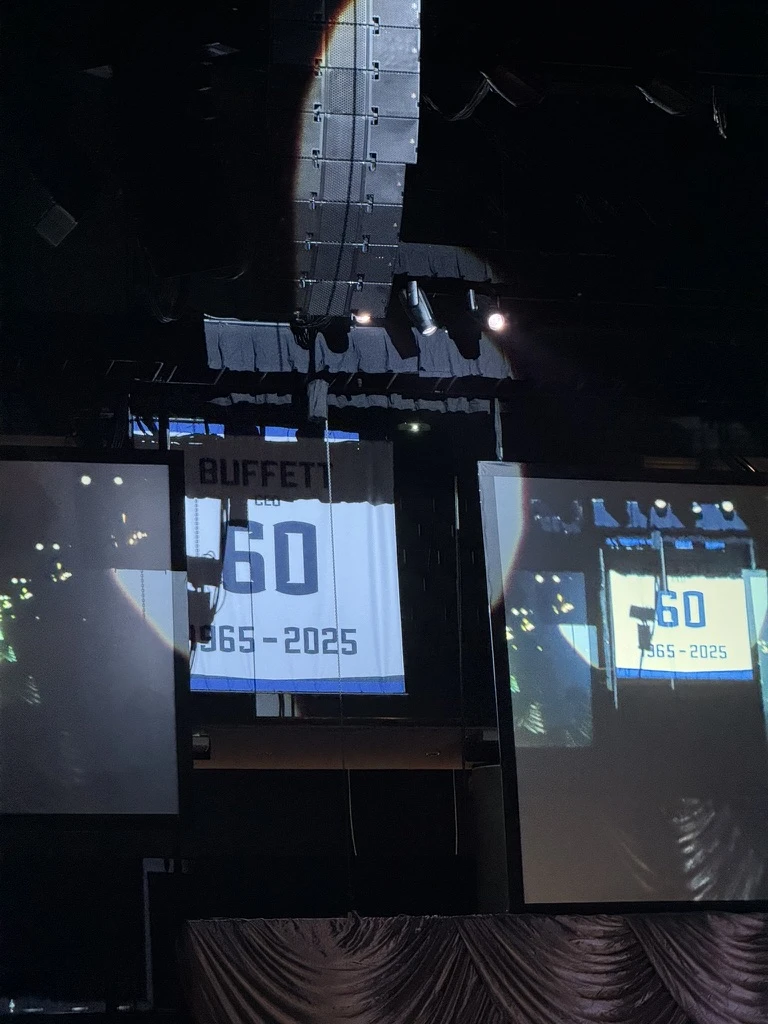
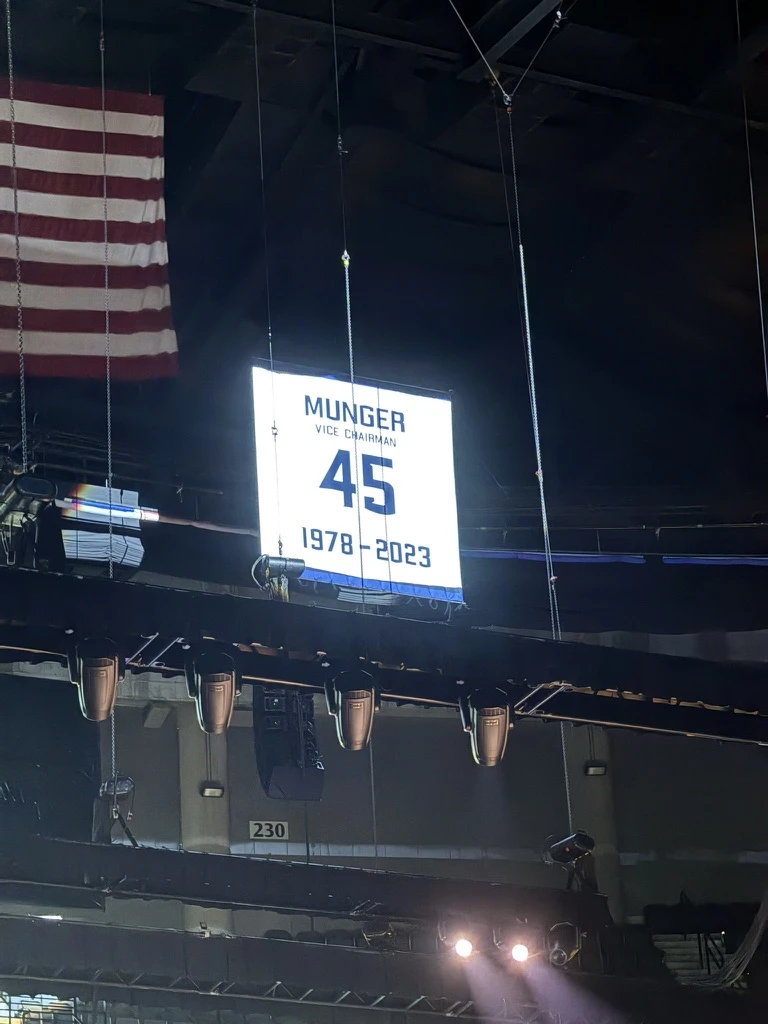
After attending the Berkshire Hathaway annual meeting, the author reflects on waiting. Value investing waits for a worthwhile price; trend following waits for structure and momentum. Both require clear rules before entering a trade. The essay rejects hindsight as a substitute for discipline and argues for accepting that wealth takes time, reserving attention for opportunities that fit one’s own approach.
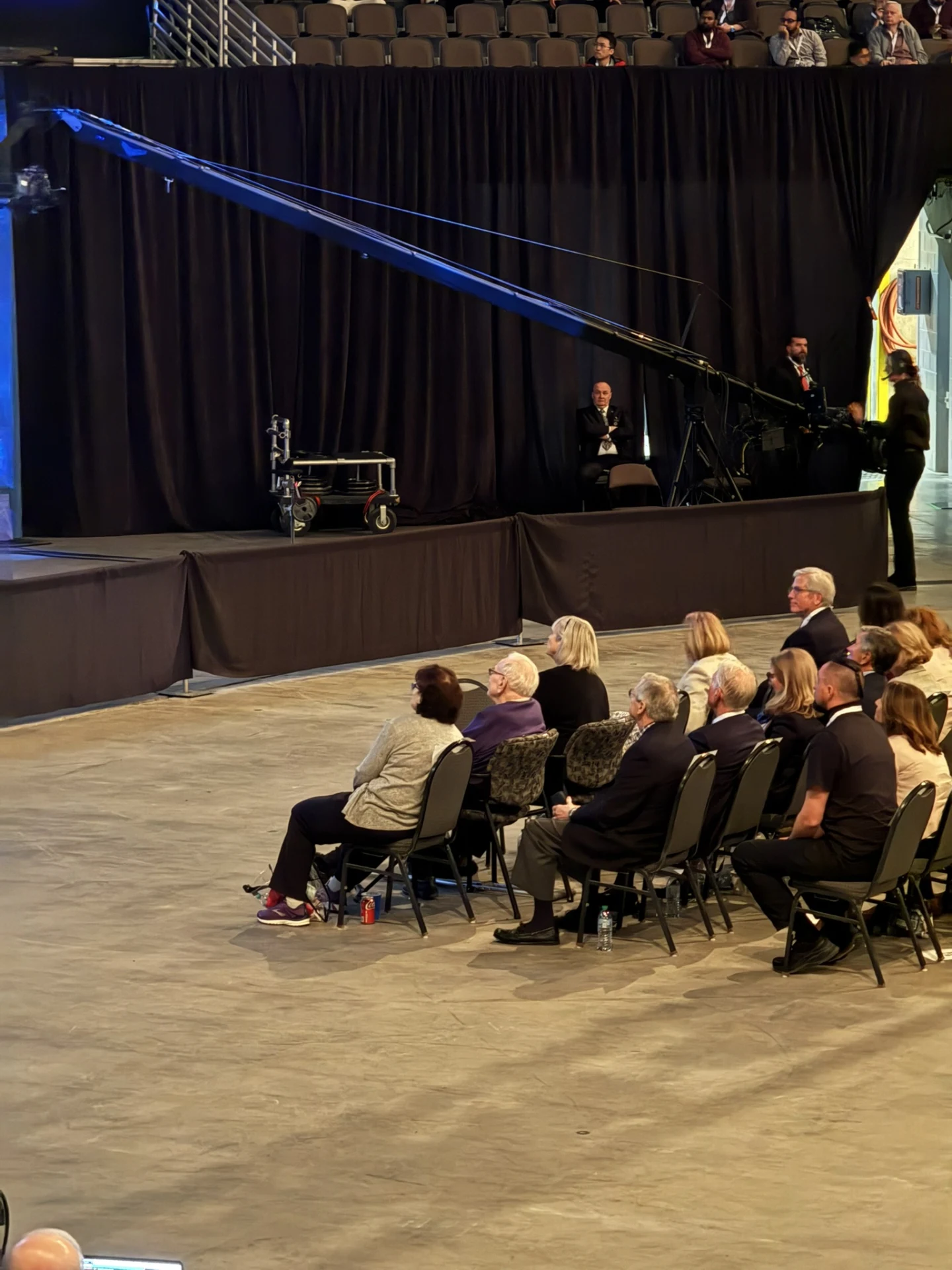
What stayed with me most from this Berkshire Hathaway annual meeting was not any single quotable line. It was being made to think again about waiting.
Two years of discretionary trading have taught me that trend following and value investing, different as they may look, both depend on the ability to wait.
In value investing, waiting means waiting until the market misprices a good company—for fear, a bursting bubble, or a contraction in liquidity to bring its price back to a level where the odds truly justify a bet.
It means not letting a steep fall scare you out of buying, and not forgetting to sell simply because the rise has felt effortless.
In trend following, waiting does not mean buying just because something has fallen a long way, still less trying to call the top because it has risen too far. It means waiting for the trend to establish itself—for structure, momentum, and market sentiment to align in your favor—and only then entering with it.
Cut the trade when you are wrong; hold it when you are right. If price has not reached your level, leave it alone. When it does, act without hesitation. Before every position, know why you are entering, where you will exit if you are wrong, and how you will hold if you are right—instead of improvising emotionally once the trade is on.
Because what the market does best is tempt you, again and again, to break your own rules.
Without discipline, waiting is just an empty word.
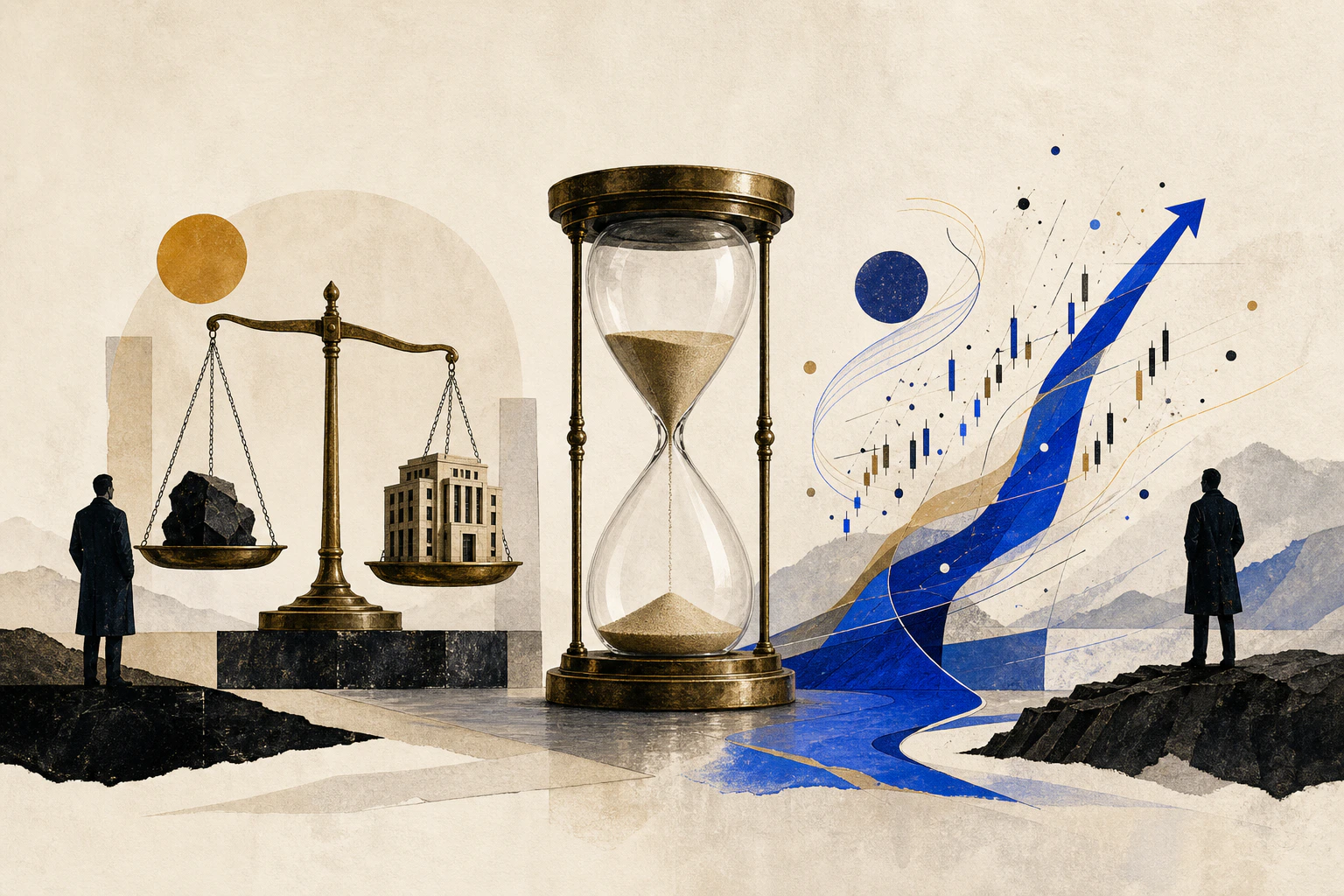
In many industries, an opportunity really may come only once. Miss a wave, a critical foothold, or a narrow window, and you may be left behind for good.
Capital markets are different in an interesting way.
At first, you think opportunities are endless, so you want to trade every day and fear missing out every day. After the market has taught you enough lessons, you realize that opportunities really are endless—most of them simply do not belong to you.
Some people look backward with the benefit of hindsight and speak with perfect confidence: Buffett missed the AI rally; Berkshire has lagged the market; value investing has fallen from grace.
Yet these are often the same people who, while living through each supposed opportunity in real time, manage to capture none of them.
More interesting still, many people would rather accept that they will never become rich than accept that they can only become rich slowly.
What they truly resist is not value investing. It is the fact that wealth takes time.
What they see is not opportunity but an outcome made obvious by hindsight. They are not really mocking Buffett; they are exposing the fact that they have never built a system of their own.
The most dangerous words in markets are always the same: “This time is different.”
Every cycle arrives with a new narrative, a new technology, and a new mania. Human nature never changes.
People never learn anything from history.

To me, moving slowly is neither conservatism nor surrender. It is a way to keep from burning myself out on junk opportunities.
Star players do not play garbage time.
Wait until a pitch that is truly yours enters the strike zone. Take your swing. Then wait for the payoff. That is enough.
ABOUT THIS ESSAY
Leave a thought. 00
Discussing: The Discipline of Waiting
Different perspectives are welcome. Be kind. Both language versions of this essay share this conversation.
No published comments yet. Your thought could be the beginning of a conversation.